Over the last couple of months, I’ve been deep in annual planning, appraisals, and setting KRAs for our teams across HR and Finance. This time, I had AI tools with me. So I went in with a clear expectation: this should be much faster—and much deeper—than last year. And yes, it was a little faster. It was a little better. But nowhere close to what I expected. That gap needed an explanation.
Where the Time Actually Goes
AI is very good at generating things—drafts, ideas, structures. But in real work, especially in areas like HR and Finance, generation is just one small step. Before anything can even be generated properly, you have to:
- Set the right context
- Be clear about scope and intent
- Think through permissions and sensitivities
And once something is generated, the heavier work begins:
- Review for accuracy
- Check alignment with business reality
- Adjust for tone, fairness, and edge cases
- Decide what actually gets used
If you look at it end-to-end, the flow is something like:
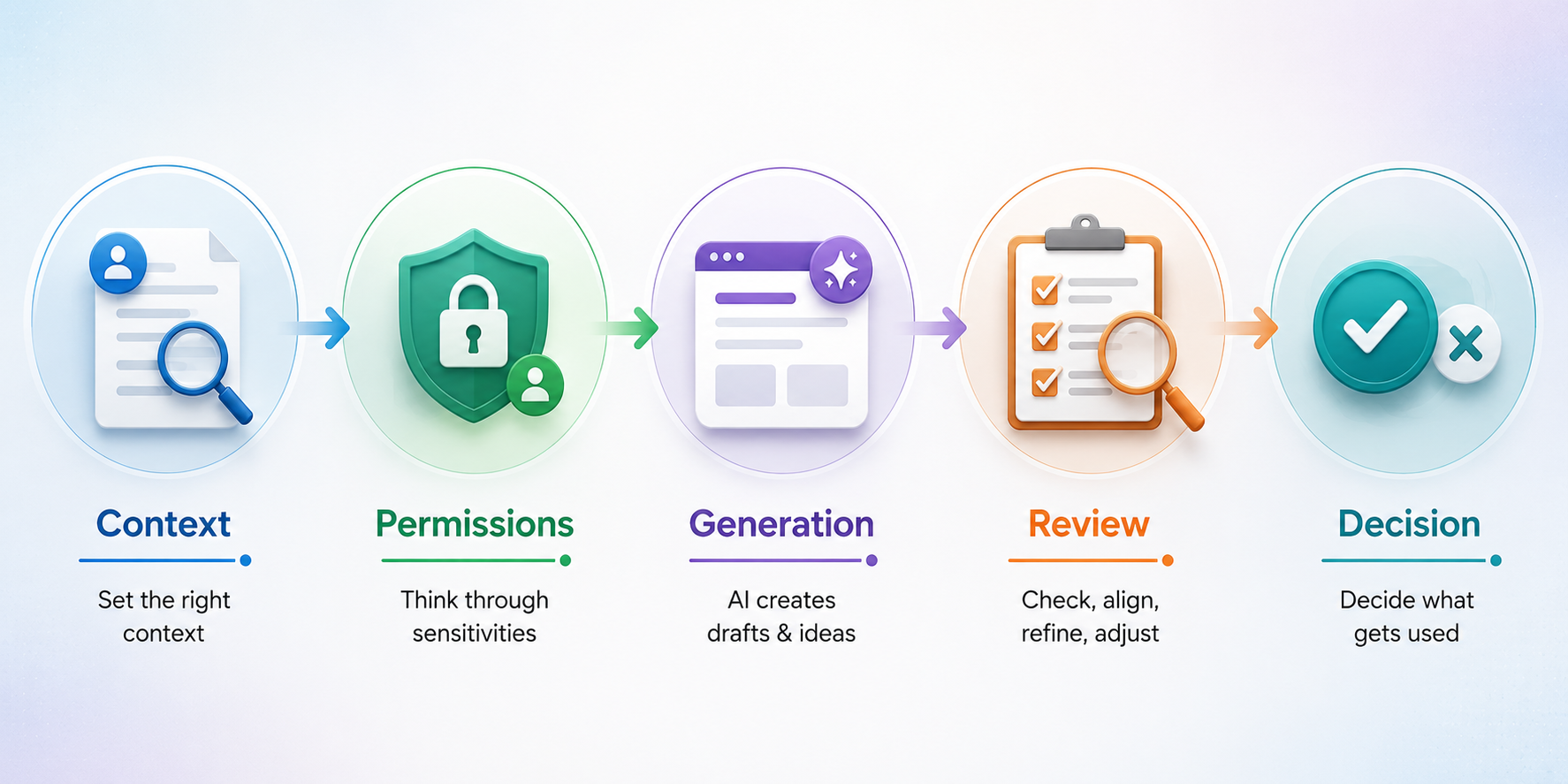
AI helps strongly in one of these steps. We still carry the rest.
The Illusion of “Much Faster”
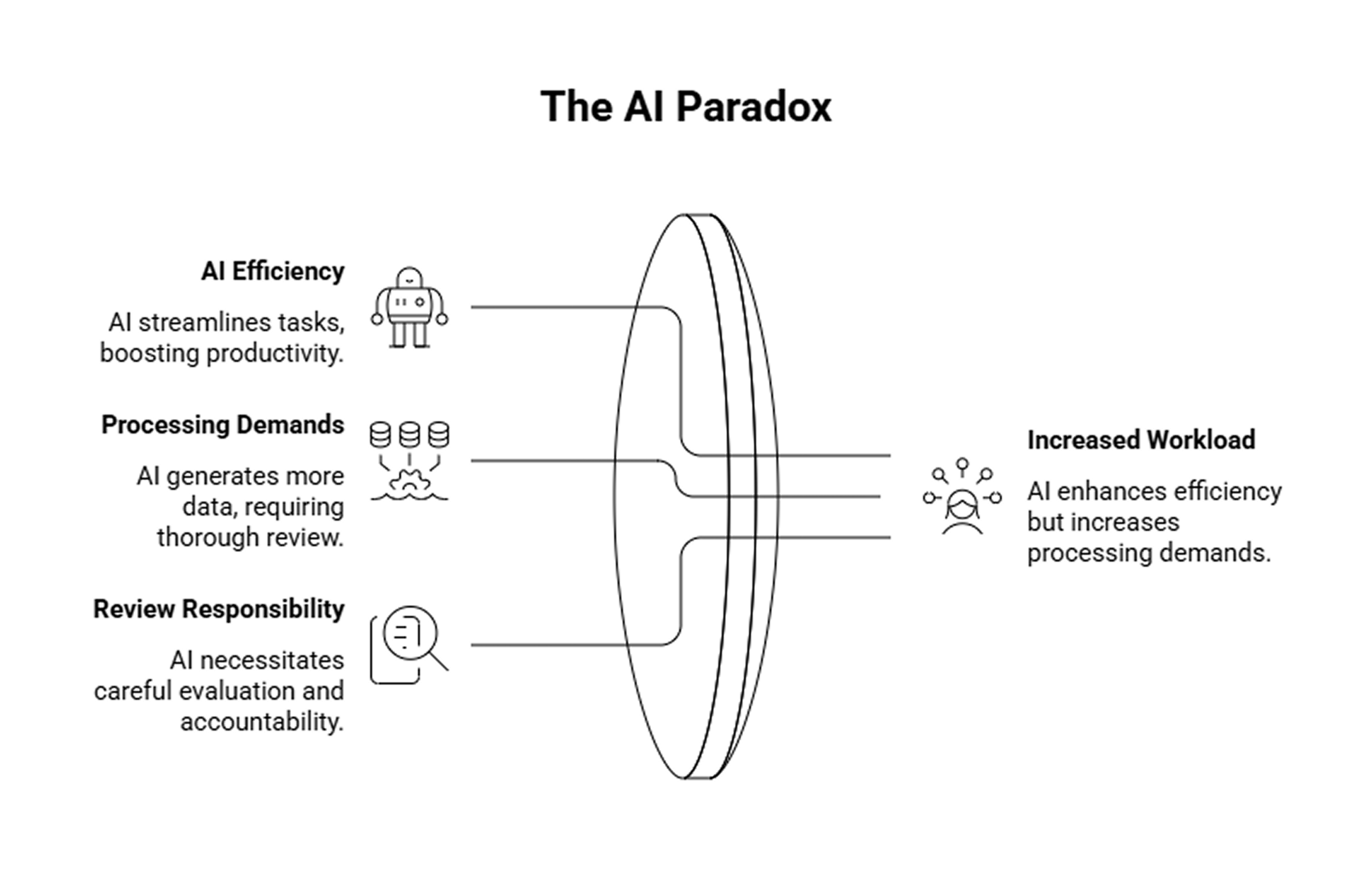
I assumed faster generation would translate into significantly higher output. But what actually happened was this: Faster generation created more options. More options required more review. More review meant more mental effort. So while one part sped up, another part expanded to fill the gap. The work didn’t reduce. It redistributed.
The Real Bottleneck
Earlier, the bottleneck was creating something from scratch. Now, the bottleneck is judging what’s been created—deciding what is right, fair, and usable in context. That’s especially true in people processes like appraisals and KRAs, where nuance matters more than speed.And that kind of thinking doesn’t compress easily.
Rethinking the Expectation
The mistake I made was simple:
I expected “a little faster” in one step to become “a lot more output” overall. That’s not how it’s playing out. AI is powerful. It does make parts of the work easier.But it also increases what we need to process, review, and take responsibility for.
A More Useful Question
Instead of asking, “How do I do a lot more now that I have AI?” A better question might be: “How much can I process well, end-to-end?” Because that seems to be the new limit. And recognizing that might save us from a lot of unnecessary frustration—with the tools, and with ourselves.